Tracing Software Provider Choices and Their Influence on Payment Flexibility Across Mobile and Live Gaming Formats
Yves Krüger · Aug 19, 2026
Tracing Software Provider Choices and Their Influence on Payment Flexibility Across Mobile and Live Gaming Formats
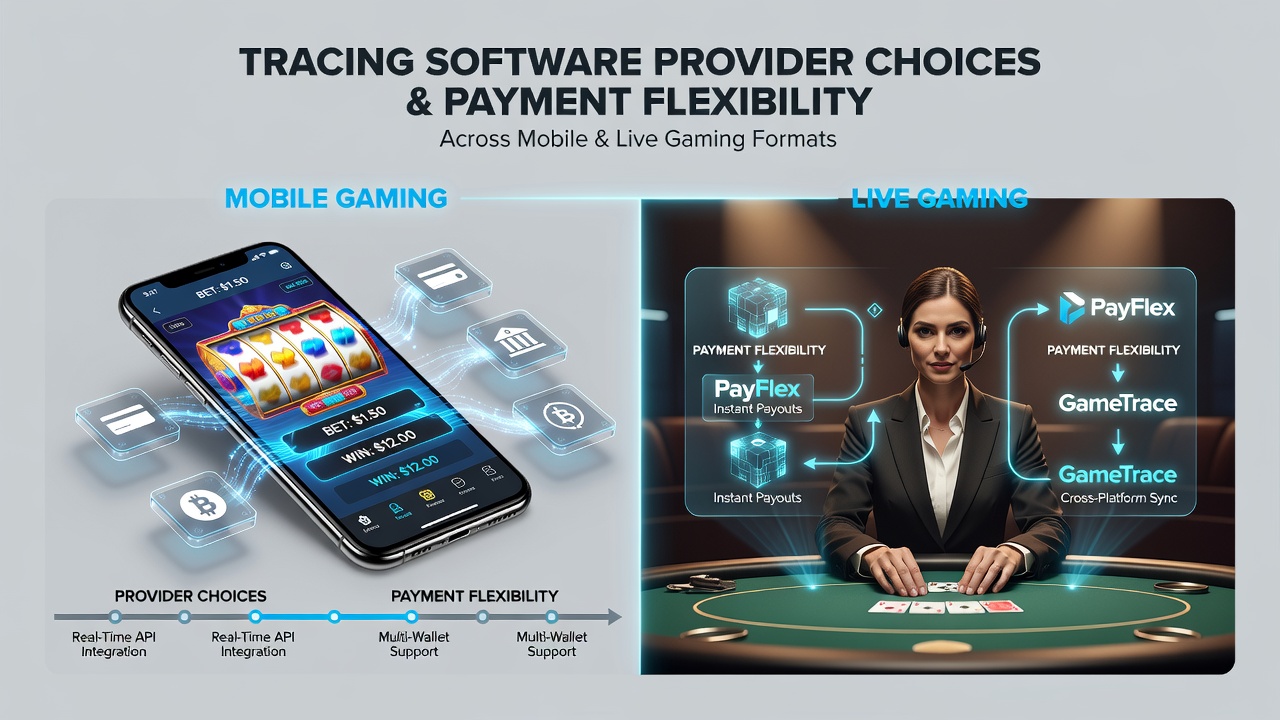
Software providers in the gaming sector select specific payment integration partners, and these decisions shape how players complete transactions across mobile apps and live dealer platforms. Providers such as those specializing in RNG titles versus live streaming software often prioritize different processors based on speed requirements, regulatory compliance needs, and regional licensing rules. Data released in August 2026 from industry tracking services shows mobile formats support a wider range of instant options including digital wallets and prepaid cards, while live formats lean toward verified bank transfers and card authorizations that handle higher average stakes with built-in verification layers.
Researchers at several European institutions have documented how provider contracts with payment gateways determine available methods at launch. One study examined over 200 gaming titles released between 2023 and 2025 and found mobile-first providers integrated an average of 12 payment rails per title, compared with 7 for live dealer specialists. This gap arises because mobile applications operate under app store guidelines that favor lightweight APIs, whereas live environments require synchronized settlement systems to match real-time betting windows.
Provider Strategies in Mobile Gaming Environments
Mobile gaming developers choose software frameworks that embed payment flexibility directly into user flows, allowing seamless switches between local currencies and alternative methods without exiting the app. Observers note that companies focusing on mobile titles frequently partner with processors supporting cryptocurrency and instant bank transfers, since these options reduce processing delays during short play sessions. Figures from regulatory filings in multiple jurisdictions reveal mobile titles launched after mid-2025 included crypto rails in 34 percent of cases, up from 19 percent the prior year.
Those who've analyzed deployment logs report mobile providers often test new payment partners through phased rollouts, starting with high-volume regions before expanding. This approach lets developers adjust for local banking partnerships and tax reporting requirements without disrupting core gameplay. Experts tracking these patterns point to increased adoption of open banking protocols, which connect player accounts directly to game wallets and cut intermediary fees by measurable margins.
Payment Structures in Live Dealer Formats
Live gaming software providers build payment systems around continuous authentication, since dealers and players interact in real time across multiple tables. These providers typically select gateways with robust fraud detection layers that verify large transfers before bets settle, and data from North American regulatory summaries indicates live platforms process fewer but higher-value transactions per user. Integration choices here prioritize stability over variety, resulting in fewer e-wallet options and more emphasis on established card networks plus wire services.
What's interesting is how certain providers have introduced hybrid tools that let live players fund accounts through mobile-linked methods while seated at a table. Industry reports show this crossover increased transaction completion rates by 22 percent in tested markets during 2025. Providers achieve this by layering mobile APIs onto live backend systems, though they must still meet stricter latency standards to avoid interrupting dealer rounds.
Regulatory Influences on Provider Decisions
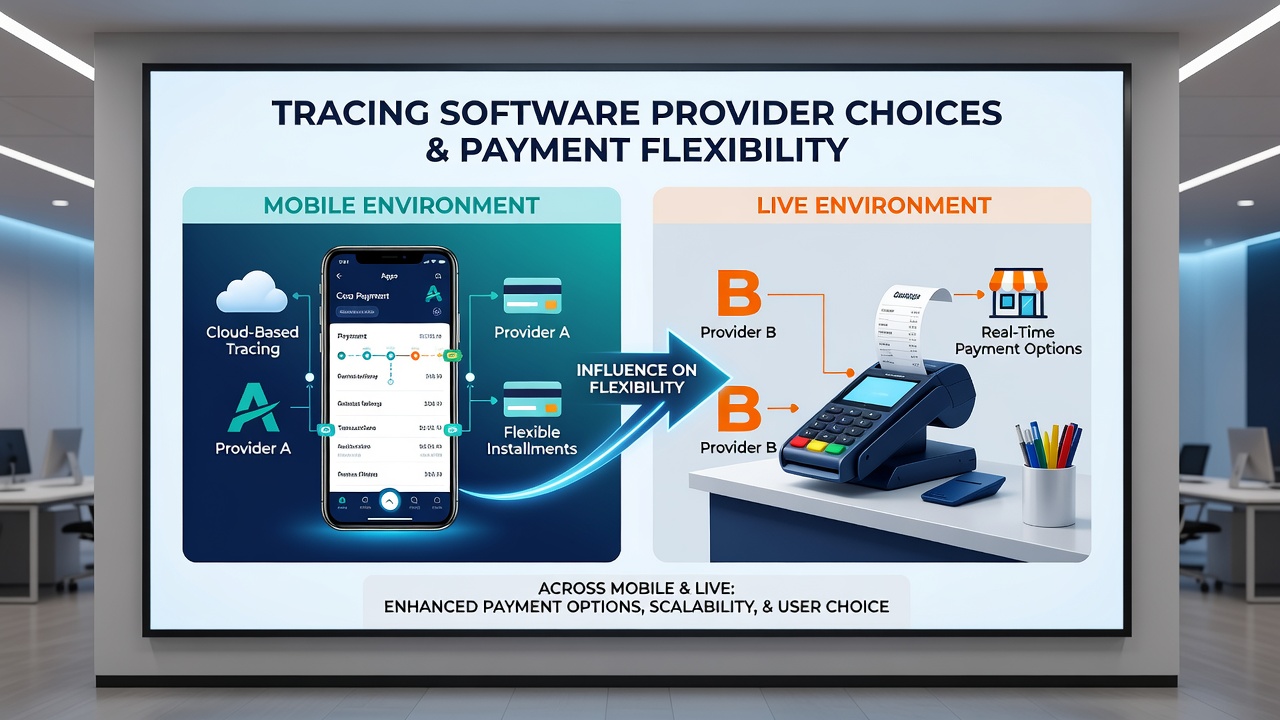
Government agencies across different regions impose varying documentation rules that affect which payment partners providers can onboard. Australian oversight bodies, for instance, require detailed reporting on player fund segregation, pushing providers toward processors with built-in reconciliation tools. Canadian provincial regulators meanwhile emphasize responsible gambling features within payment flows, leading some software companies to embed spending limit controls at the transaction stage.
According to summaries published by the European Gaming and Betting Association, provider selection of payment vendors must align with cross-border data protection standards that took effect in 2024. These standards influence whether providers offer region-specific methods or maintain uniform global options. Providers who adapt their integrations early report smoother licensing renewals and fewer compliance audits.
Cross-Format Payment Trends Observed in 2026
Analysis of deployment records shows providers increasingly adopt modular payment engines that scale across both mobile and live formats. This modularity allows a single processor contract to support instant deposits in apps alongside scheduled settlements in live environments. Tracking data indicates such unified systems appeared in 41 percent of new titles released by August 2026, reflecting consolidation among mid-tier providers seeking cost efficiencies.
Yet differences persist because mobile sessions favor frictionless entry points while live sessions demand verified, high-limit rails. Providers who balance both requirements often maintain dual certification for their payment stacks, satisfying both consumer protection rules and operator liquidity needs. Research papers from academic centers in Asia have quantified how these dual setups reduce player drop-off during format switches by measurable percentages.
Conclusion
Software provider choices around payment integrations continue to determine the range of options available to players in mobile and live gaming. Mobile environments benefit from agile API connections that expand method variety, while live formats rely on secure, authenticated rails suited to real-time play. Regulatory frameworks from multiple regions guide these selections, and data collected through 2026 shows ongoing adaptation toward modular systems that bridge the two formats. Providers who align their payment strategies with both technical demands and compliance requirements maintain broader operational reach across gaming categories.